The One Question to Ask When Small Things Stress You Out
The question to ask when small things stress you out
When something small is stressing you out, there's one question worth asking yourself: is this a problem, or an inconvenience? It comes from something Sigmund Wollman, an Auschwitz survivor, said to a young Robert Fulghum, and Fulghum wrote that he kept asking it for thirty years.
It sounds like something printed on a mug. But a real person said it, in a real moment.
1959: the same lunch, all week
"Problem or inconvenience?" comes from a story Robert Fulghum, the author of All I Really Need to Know I Learned in Kindergarten, told in his essay collection Uh-Oh (1991). In 1959, fresh out of college, Fulghum worked at a resort in California's Sierra Nevada, working the front desk by night and looking after the horses by day.
All week, the staff lunch was the same: two sausages, sauerkraut, and a stale roll. And it came out of his paycheck. On Friday night, a notice went up: the same lunch for two more days. Fulghum blew up. He said he was quitting on the spot and would throw that lunch at the boss, then spent a long time venting to the older man who worked nights with him.
That man was Sigmund Wollman. He was a German Jew who had survived three years in Auschwitz.
Wollman heard him out. Then he said, quietly:
"Fulghum, you don't know the difference between an inconvenience and a problem. If you break your neck, if you have nothing to eat, if your house is on fire — then you got a problem. Everything else is inconvenience."
Fulghum says that for the next thirty years, whenever things went wrong, he thought of Wollman and asked himself: problem, or inconvenience?
What "problem or inconvenience" looks like on an ordinary day
By Wollman's standard, most everyday stress is inconvenience. Nobody broke their neck, nobody's going hungry, and the house isn't on fire.
You bomb an exam. You miss the bus. Someone makes an offhand comment, and it bugs you all day.
Another bus will come. The comment stings, but it doesn't wreck your life.
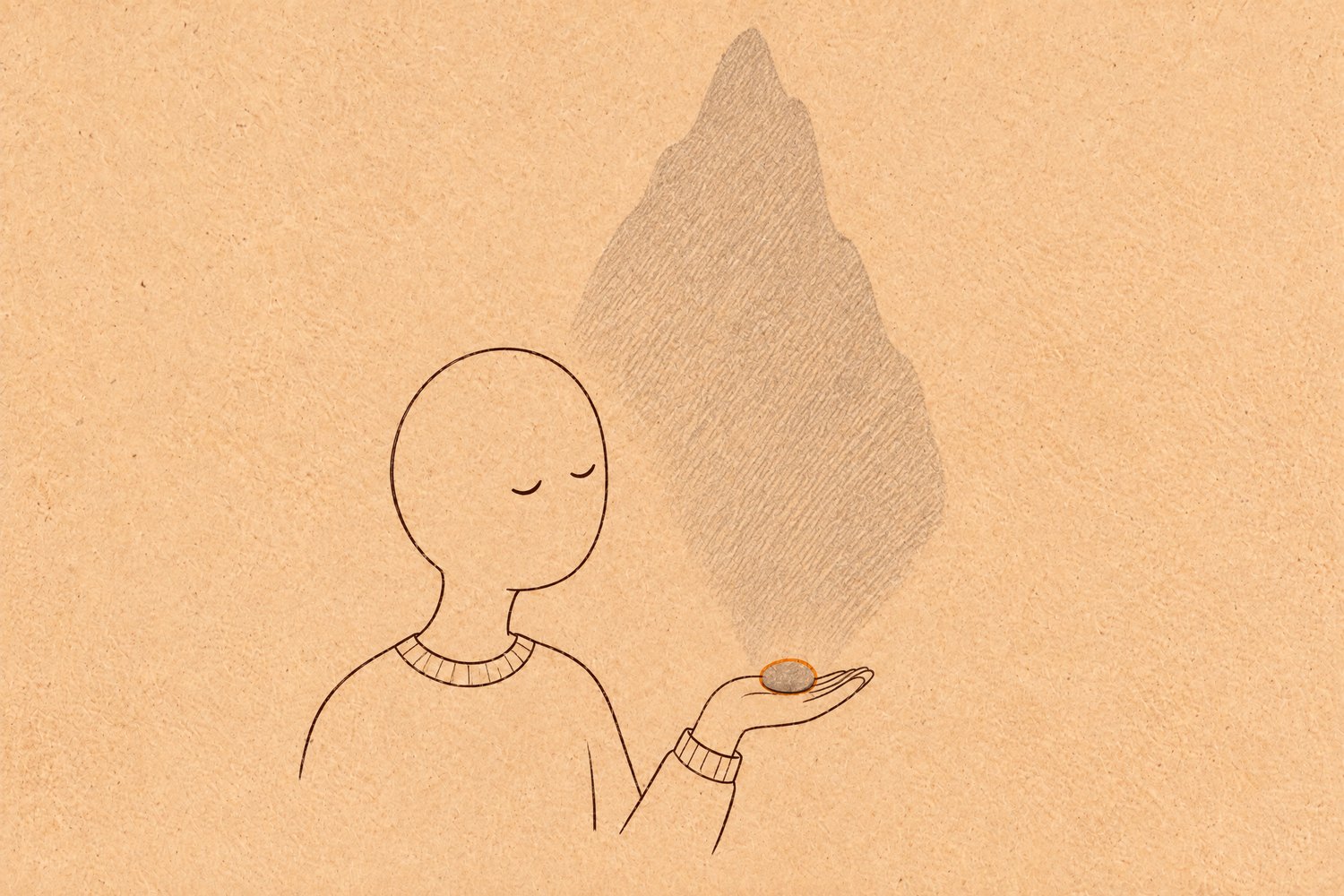
Call it an inconvenience, and the thing shrinks back to its real size.
But the question has a catch.
Why it still bugs you after you know it's just an inconvenience
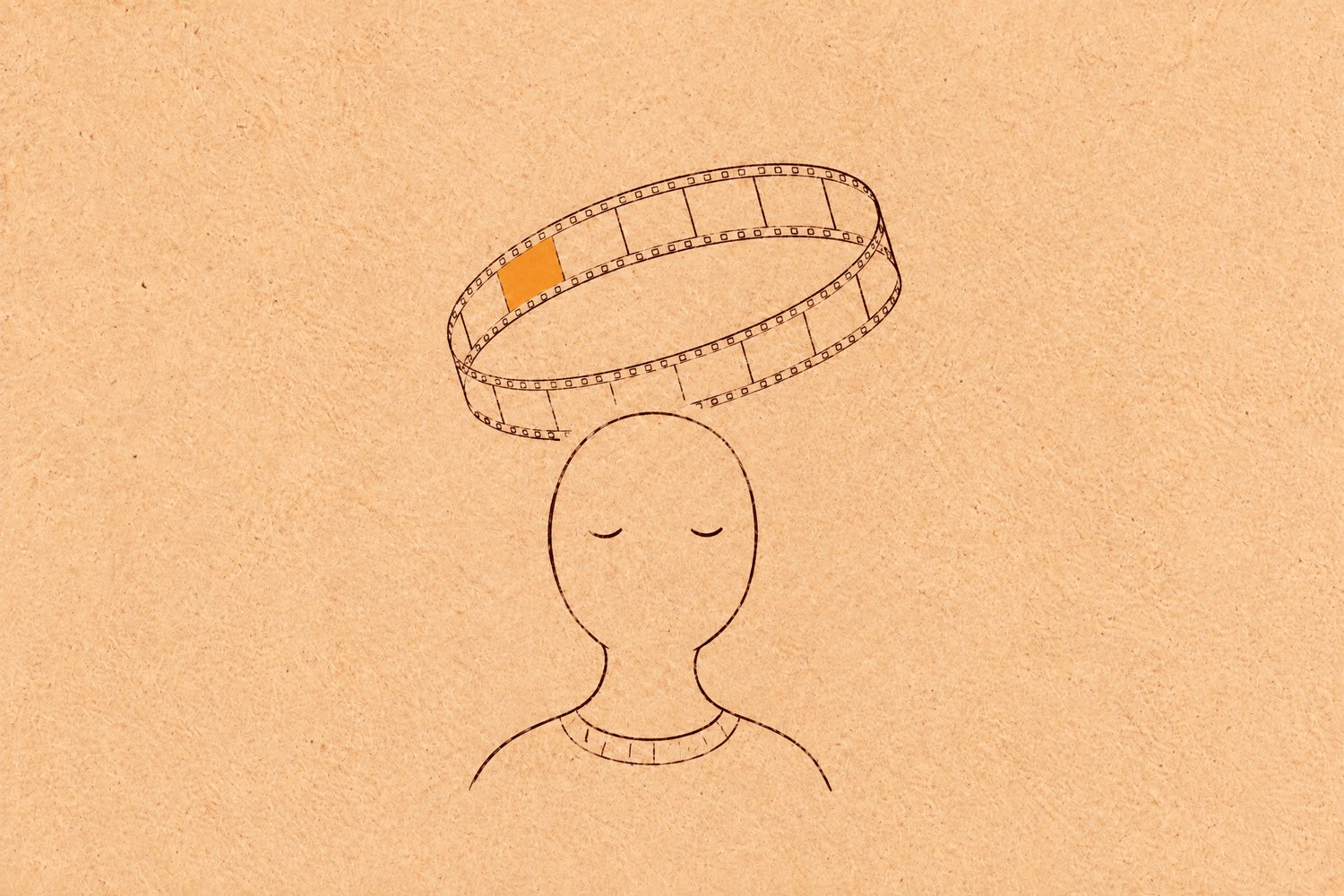
Knowing something is just an inconvenience doesn't mean your mind will stop going back to it. "Problem or inconvenience?" resizes the event. It doesn't stop you from replaying it.
The comment was over in a few seconds, but your head replays it all day. You tell yourself to stop thinking about it, and it starts playing again.
The thing itself usually takes less out of you than reliving it again and again in your head.
For that, there's one more question.
If it keeps coming back, picture ten years from now
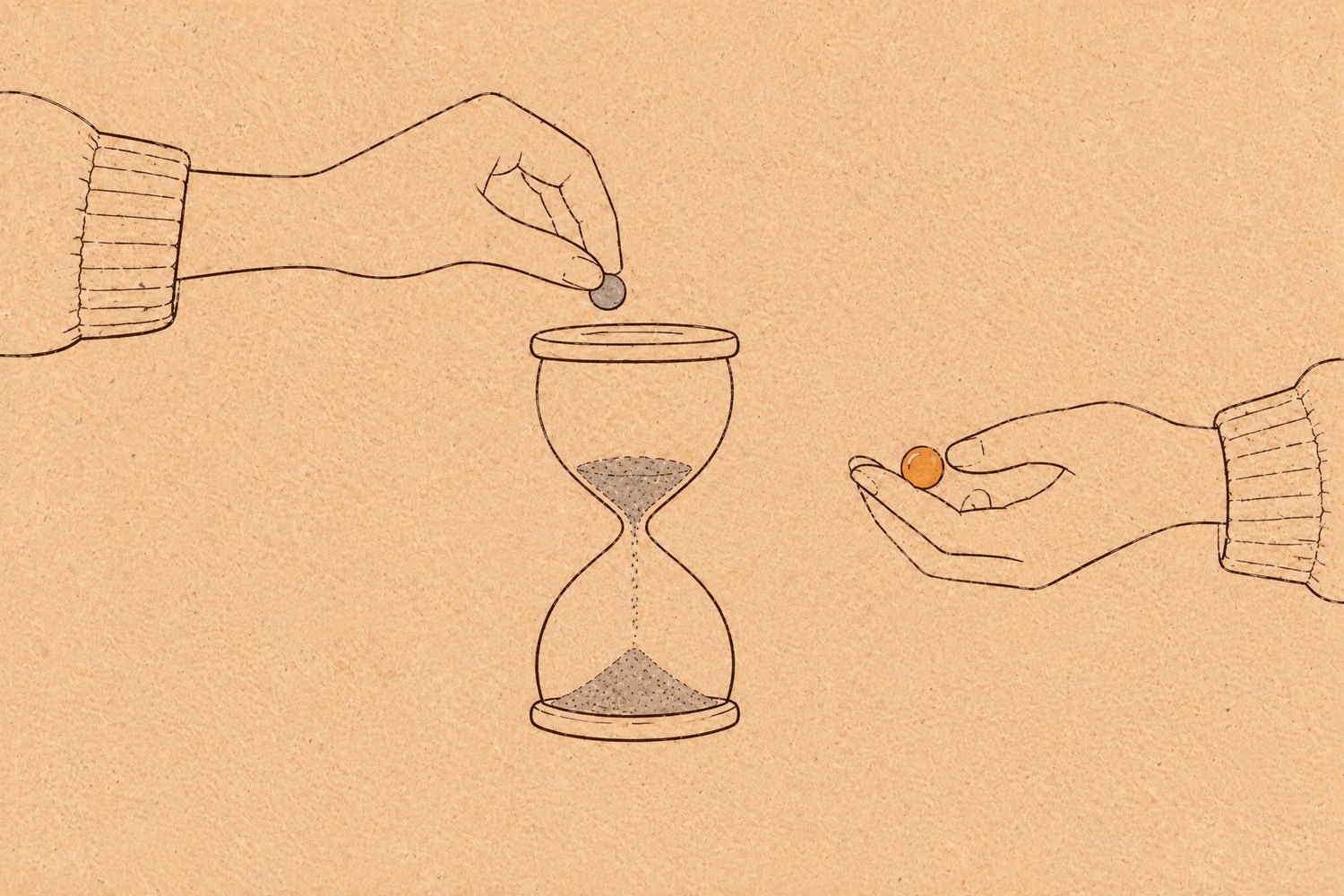
If something is just an inconvenience but keeps coming back, you can ask: "How will I feel about this ten years from now?" In 2015, UC Berkeley researchers (Bruehlman-Senecal & Ayduk, Journal of Personality and Social Psychology) found that college students who looked at a recent stressor from ten years out felt less distressed than those who looked from one week out.
The ten-year group was more likely to think "this too shall pass." Set against ten years, something that feels huge right now starts to look like one more thing that passes.
Save it for the hard stuff, though. In the same research, students who got good exam scores didn't feel any better after picturing ten years out. It reminded them the good feeling would fade, too.
The studies also covered only college students and stress that eventually ends. For the real problems Wollman named, the kind with no end in sight, ask for help first.
In short
The question to ask when small things stress you out is "Is this a problem, or an inconvenience?" Sigmund Wollman, an Auschwitz survivor, told a young Robert Fulghum in 1959 that a broken neck, nothing to eat, or a house on fire is a problem and everything else is inconvenience; Fulghum wrote in Uh-Oh (1991) that he used the question for thirty years.
If something is only an inconvenience but keeps coming back, "How will I feel about this ten years from now?" can help. In a 2015 UC Berkeley study, college students who pictured ten years out felt less distressed than those who pictured one week out. It didn't do anything for good news, and it wasn't tested on problems with no end in sight.
Related reading
- How to Distance Yourself From Your Thoughts — and What It Actually Does — another kind of distance, from the thought itself rather than from time, and a review of 29 studies